Finding the Right Fishkill Paving Contractor for Durable Driveways and Pavement
Finding the Right Fishkill Paving Contractor for Durable Driveways and Pavement
Blog Article
Trustworthy Paving Contractor for Durable Driveways and Roads
Deciding on a reliable pavement specialist is essential for developing strong roads and driveways. Proper selection guarantees durability and performance in concrete work. Aspects including credentials, testimonials, and material expertise greatly influence in the final result. Recognizing the details of cost and maintenance can additionally boost the evaluation process. As property buyers assess their options, various key aspects require careful evaluation to attain a good investment. Which factors matter most in their pursuit?
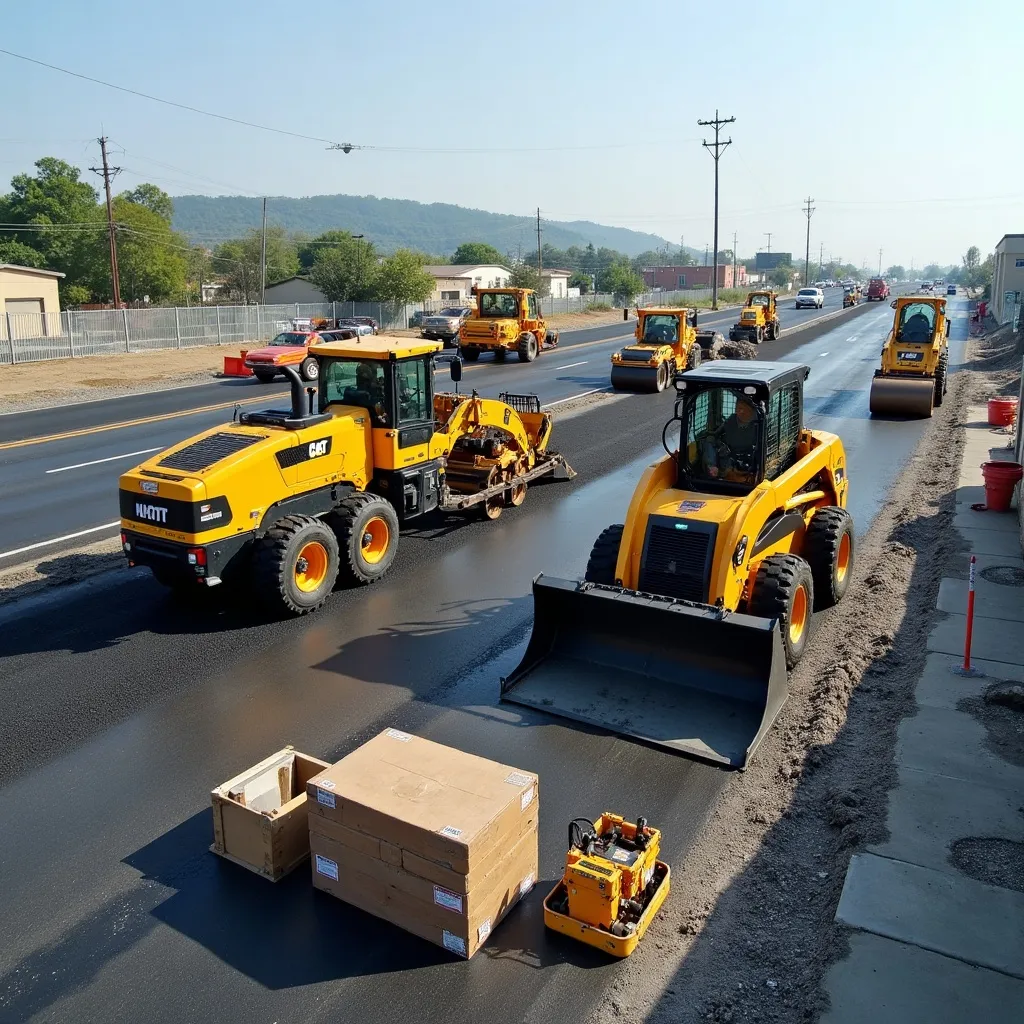
Guide to Finding an Experienced Paving Contractor
When choosing an veteran paving contractor, one might wonder what key factors to assess. First, it is vital to verify the contractor's qualifications, such as licenses and insurance, to confirm compliance with local regulations and safeguard against liabilities. Next, reviewing customer testimonials and past project portfolios can provide insight into the contractor's quality of work and reliability.
Additionally, requesting multiple bids can aid gauge the market rate for services and flag any red flags, such as notably low bids. Experience in certain paving types, such as residential driveways or commercial parking lots, remains a important consideration, as focused knowledge often delivers better outcomes. Communication skills are also essential; a contractor should be responsive and willing to address questions or concerns. Finally, reviewing warranties or guarantees offered can show the contractor’s confidence in their work and dedication to customer satisfaction.
Top Materials for Your Driveway
When deciding on substances for a driveway, homeowners regularly weigh the advantages and disadvantages of asphalt and concrete. Each option delivers distinct characteristics that can impact durability and cost. Additionally, gravel provides a more affordable alternative but comes with its own set of pros and cons.
Deciding Between Asphalt compared to Concrete
Which material offers the optimal equilibrium of durability and expense for driveway surfaces: asphalt or concrete? Asphalt is frequently preferred for its lower upfront price and faster installation procedure. It generally delivers a sleek finish that can endure severe weather conditions, making it a practical choice for numerous homeowners. However, asphalt requires frequent maintenance, such as coating and refinishing, to extend its lifespan.
Conversely, concrete is famous for its strength and low maintenance requirements. When correctly placed, concrete driveways can persist over 30 years. Besides, concrete offers a wide range of visual possibilities, including decorative finishes. Although the initial investment is higher, the lower upkeep needs can serve as a cost-effective solution in the long term. Ultimately, the selection depends on individual inclinations and financial constraints.
Gravel Pros and Cons
While asphalt and concrete are well-liked choices for driveways, gravel also serves as a feasible alternative with its own pros and cons. One major advantage of gravel is its affordability; it typically demands a lower initial investment compared to asphalt and concrete. Additionally, gravel provides superior water drainage, reducing the risk of water pooling. However, it is not free from challenges. Gravel driveways can demand regular maintenance, such as routine refilling and leveling to maintain an even surface. Furthermore, they may create issues with erosion and can be less read here dependable for high-traffic areas. Ultimately, the decision to select gravel should weigh both its affordability and the homeowner's willingness to invest in ongoing upkeep.
Reviewing Customer Comments: What to Check
How can prospective clients determine the quality of a paving contractor through customer reviews? Evaluating these reviews requires attention to specific factors. First, clients should look for overall ratings; a high average score often indicates satisfactory service. Next, the number of reviews is vital; a larger volume provides a more reliable picture of the contractor's performance.
Clients should also evaluate the details of individual reviews. Positive feedback about on-time delivery, communication, and caliber of work is important. Additionally, recurring themes in adverse reviews, such as weak customer service or project delays, can signal potential pitfalls.
In addition, responses from the contractor about reviews reveal their dedication and proficiency to client happiness. Finally, consider feedback from various platforms to obtain a well-rounded view. By emphasizing these elements, potential clients can make educated decisions about their asphalt paving professional.
Important Queries You Should Present to Your Asphalt Contractor?
Appointing a paving contractor involves asking critical questions, which can substantially alter the way your project unfolds. It is paramount to investigate their professional experience and what varieties of projects they have delivered. Learning about their philosophy on materials and techniques will also highlight the standard of quality you are bound to receive.
Prospective customers should ask about licensing and insurance to guarantee the service provider satisfies legal requirements and is protected against possible financial risks. Additionally, talking about the timeline for project completion and any potential delays is critical.
Inquiring about warranties on both materials and labor can safeguard the expenditure. Finally, it's beneficial to request references or examples of previous work to assess the contractor's reliability and quality of work. These inquiries not only define requirements but also create a basis for effective communication throughout the undertaking.
Asphalt Prices: What to Prepare For
Understanding paving costs is critical for dwelling owners considering a initiative. Various aspects, covering material options and rates, considerably influence the overall expense. In addition, examining long-term value can support in making knowledgeable selections about paving investments.
Factors Determining Paving Costs
Multiple factors influence paving costs, making it vital for property owners to understand the variables at play. One major aspect is the size of the area to be paved; larger spaces typically carry higher costs due to increased material and labor requirements. Additionally, site conditions, such as soil quality and drainage, can determine pricing, as extensive preparation may be needed. Local labor rates also play an essential role; areas with a higher cost of living often have higher labor expenses. Moreover, the complexity of the project, including intricate designs or existing structures, can lead to greater costs. Finally, seasonal factors may influence pricing, as contractors often adjust rates based on demand fluctuations throughout the year.
Material Choices and Pricing
Various material options play a major role in overall paving expenses, each offering distinct perks and price ranges. Asphalt, celebrated for its affordability and quick installation, normally runs from $3 to $5 per square foot. Concrete, although longer-lasting, ranges from between $4 and $8 per square foot, depending on finish and thickness. Pavers, constructed from brick or stone, deliver visual beauty but usually fall from $10 to $20 per square foot, including installation. Additionally, permeable paving options, that enable water drainage, may cost more because of their high-tech materials and sophisticated installation processes. Homeowners must assess these options thoughtfully, comparing upfront investment with expected lifespan and functionality for their driveways and roads.
Long-Term Financial Assessments
When choosing paving materials, long-term value is crucial in the final selection. Property owners and builders alike must take into account not only the initial costs but also the durability, maintenance, and lifespan of the chosen materials. Asphalt, for instance, may provide lower upfront costs but could require more frequent repairs versus concrete, which is typically more durable over time. Furthermore, elements including regional climate and usage intensity can affect the longevity of the pavement. Choosing high-quality materials may result in higher initial expenses, yet this choice can result in reduced maintenance costs and prolonged durability, ultimately providing superior worth. A comprehensive assessment of these factors ensures well-reasoned choices for environmentally responsible pavement options.
Advantages of Protective Agreements and Ongoing Support Services
During the process of selecting a reliable paving contractor, the importance of warranties and aftercare services must not be forgotten. Warranties function as a safeguard for clients, guaranteeing that any defects in materials or workmanship are addressed without additional costs. A reputable contractor typically provides a comprehensive warranty that demonstrates their confidence in the quality of their work.
Beyond warranties, aftercare services serve a vital function in extending the life of paved surfaces. Consistent maintenance, including protective coatings and damage restoration, can mitigate more major deterioration and high-cost restoration over time. A contractor who gives ongoing care demonstrates their commitment to customer satisfaction and the strength of their work.
Consequently, guarantees and follow-up care not only augment the worth of the original purchase but also grant comfort for homeowners and businesses alike. A solid contractor prioritizes these elements, developing trust and enduring relationships with customers.
Routinely Requested FAQs
How much time should you anticipate for the paving process?
Asphalt installation typically requires one to three days, based on the project's scope and intricacy. Factors such as weather, ground readiness, and choice of materials can also impact the overall timeline significantly.
What Climate Factors Influence Paving Processes?
Weather conditions greatly affect paving work. Rain, snow, and extreme temperatures can postpone projects, while humidity levels impact the curing process. Ideal conditions, typically dry and mild, guarantee better adhesion and durability of the pavement.
What's the Best Way to Care For My New Driveway?
Protecting a new driveway involves regular cleaning schedules, timely sealing, and rapid crack treatment as vital elements. Cutting down on heavy weight and following appropriate snow removal protocols boost durability and sustain its appearance.
Are there eco-friendly surfacing alternatives accessible?
Yes, many eco-friendly paving choices are offered, such as porous pavers, recycled asphalt, and alternative concrete options made from environmentally responsible materials. These alternatives lessen environmental damage while delivering robust and long-lasting surfaces for driveways and pathways.
Do I Have to Get a License for Asphalt Projects?
Permits are often necessary for paving projects, according to local regulations. Homeowners should engage with their planning authority to assess specific requirements, maintaining standards and mitigating potential fines or project delays during construction.
Report this page